Thorough, Evidence-Based Laptop Repair
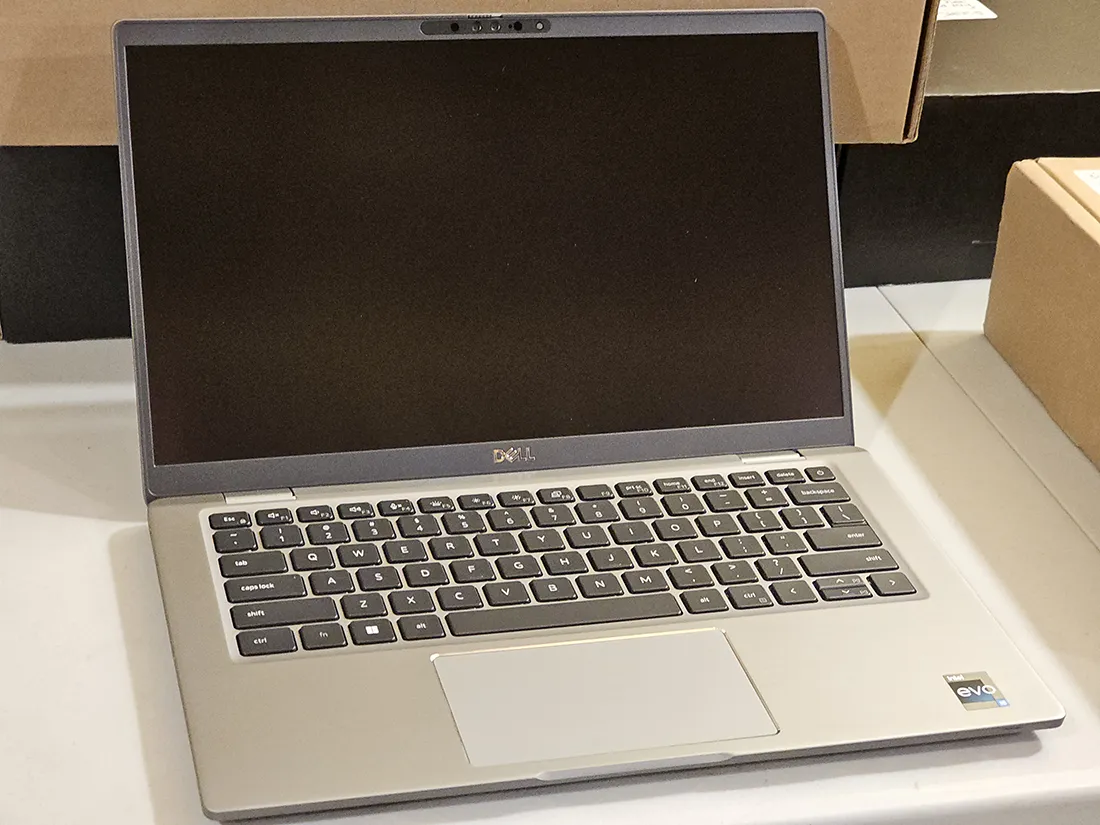
When your laptop crashes, won't boot, or starts behaving in ways that make no sense, you need someone who will actually find the root cause—not just reinstall Windows and hope for the best. I'm Steve Schardein, and I've been doing exactly that for 30+ years, using professional-grade diagnostic and recovery equipment that most local shops have never touched.
I also spent nearly a decade as a Senior Editor at Notebookcheck—one of the world's largest laptop review sites—where I scientifically evaluated laptops from Dell, HP, Lenovo, ASUS, and others, sometimes before they ever reached store shelves. That background means I understand thermal designs, firmware behavior, and component-level quirks at an engineering level—not just how to swap parts.
Based in Middletown off Shelbyville Road (just outside I-265 near Lake Forest), I serve all of Louisville and surrounding areas. My approach prioritizes thoroughness over speed: a proper diagnostic means examining the entire system, not just the symptom you called about. That's how problems actually get solved—and stay solved.
What I Bring to Every Laptop Repair
Every laptop that comes through my lab gets the benefit of proprietary tools I've built specifically for this work. My S-Ray diagnostic system is an AI-powered analysis engine that cross-references live system telemetry against your complete service history with me, connecting symptoms across hardware, software, drivers, and security domains to surface root causes that isolated checks would miss. For returning clients, S-Ray already knows the machine's history and gets more precise with each visit.
Every service—whether it's a Triple-S Tune-Up, a disinfection, or a complex hardware repair—concludes with a detailed, multi-page Service Report (typically 4–12 pages) documenting every finding, every action taken, and specific preventive recommendations. No black-boxing, no vague invoices. You see exactly what happened and why.
For clients who want ongoing visibility, I deploy the Triple-S Customer Panel (a lightweight client-side dashboard for system health and secure communication) and Triple-S Sentry (a proactive monitoring agent that watches for emerging issues between visits). These are tools I built and maintain—no other local provider offers anything comparable.
Laptop Issues I Handle
Performance and software problems are the most common reason laptops come through my door. Slow boot times, constant freezing, bloatware accumulation, operating system corruption—my Triple-S Tune-Up addresses all of these through a comprehensive process that includes startup optimization, group policy adjustments, driver and firmware updates, browser profile hardening, and full hardware diagnostics.
Boot failures are another specialty: black screens on power-on, “no boot device found” errors, Windows Recovery Environment loops, corrupted BCD stores, and every other variety of boot-level problem. These require careful, methodical troubleshooting—not a factory reset that wipes your data.
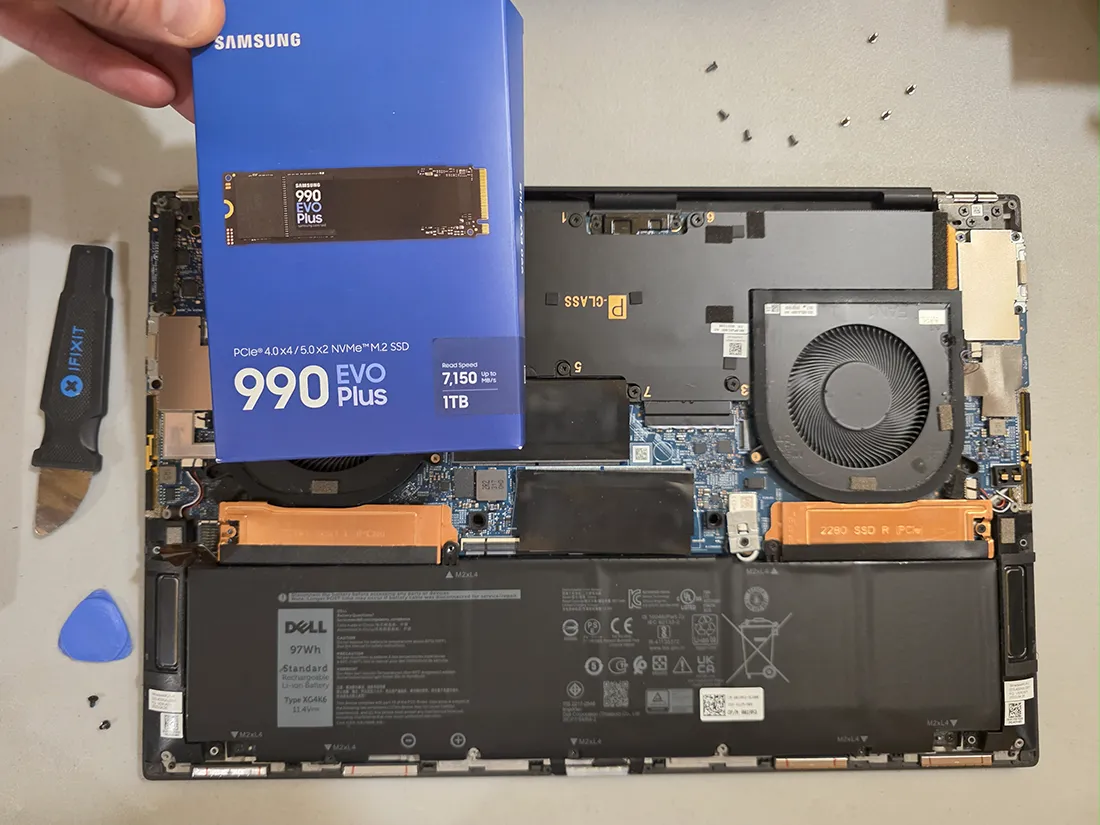
Thermal issues are often the hidden cause behind laptop crashes, throttling, and premature component failure. I perform full teardowns with proper thermal compound reapplication following manufacturer screw-removal patterns to prevent die damage—the kind of careful work that keeps a high-end gaming laptop running for years instead of months.
Screen and keyboard replacement, charging port repair, and battery replacement are all within scope. I work with all major brands—Dell, HP, Lenovo, ASUS, Acer, Microsoft Surface, Samsung—and source quality replacement parts at zero markup.
Data recovery from failed laptops is where many shops fall short entirely. When a laptop dies and the data matters, I use professional DeepSpar imaging systems—the same equipment used by dedicated recovery labs—to recover data from mechanical drives, SSDs (SATA and NVMe), and encrypted volumes including BitLocker. Over 80% of cases are handled in-house at roughly half the cost of dedicated recovery firms.
What a Real Laptop Repair Looks Like
To give you a concrete sense of what I do, here are two recent (anonymized) examples from my lab:
Gaming laptop with escalating crashes. A client brought in a high-end Lenovo gaming laptop that had become increasingly unstable—intermittent freezes during graphics-intensive tasks, the dedicated GPU disappearing from the system entirely, and eventually the machine refusing to power on consistently. The client had already done extensive software-level troubleshooting to no avail. My inspection revealed a severely compromised cooling system: dust-clogged intakes and exhausted factory thermal compound that had “pumped out” from the processor dies, leaving bare spots that created dangerous hotspots. After a full teardown with fresh thermal compound and thorough cleaning, deeper testing revealed a latent GPU hardware flaw that only manifested under peak voltage. I engineered a permanent software workaround—a precision voltage cap that prevents the crash from triggering without any measurable performance loss—and validated it with professional benchmarking. The laptop now runs stable at full power. That's the kind of root-cause work that distinguishes a real repair from a guess.
Scammer-compromised Dell laptop. Another client's Dell Inspiron came in after a phone scammer had gained remote access, installed unattended remote-access tools (AnyDesk, UltraViewer), and attempted to steal money. My disinfection removed all compromised software and associated services, then a full Triple-S Tune-Up addressed the underlying bloatware and maintenance debt that had accumulated. Startup items were trimmed, all pending Windows updates cleared, browser profiles hardened, and the Triple-S Customer Panel and Sentry monitoring deployed for ongoing protection. The client received a multi-page Service Report documenting every finding and every remediation step.
What I Don't Do
I'm transparent about the boundaries of my work, because knowing what someone won't do tells you as much as knowing what they will. I don't do board-level soldering or component-level motherboard repair. I don't do motherboard swaps (rarely worth the cost and risk). I don't repair phones, tablets, or MacBook hardware (though I can help with macOS software issues and data transfers). And I don't do cleanroom drive disassembly—my data recovery work covers everything up to that point using professional imaging equipment, but if your drive needs heads swapped in a cleanroom, I'll tell you honestly and refer you to a lab that can do it safely.
Zero-Markup Hardware
If your laptop needs parts—an SSD upgrade, a RAM expansion, a replacement screen, or even an entirely new machine—you pay exactly what I pay. We order components in your name, at cost. I make zero profit on hardware sales, which means I have zero incentive to recommend parts you don't need. That policy has been in place since I started the business in 2006, and it's a major reason why my 6,000+ client base has been built almost entirely through direct referrals.
Getting Here
My lab is at 800 Fossil Creek Court in the Middletown-Eastwood area—just off Shelbyville Road past I-265 (Exit 27 from the Gene Snyder Freeway), near Lake Forest. From downtown Louisville or the Highlands, take I-64 East to I-265 South (Gene Snyder), exit at Shelbyville Road, and head east—about 25 minutes. From St. Matthews or Anchorage, Shelbyville Road runs straight out to the lab in roughly 15 minutes. From J-Town or Fern Creek, take Taylorsville Road or Bardstown Road to I-265 North, exit at Shelbyville Road—roughly 15–20 minutes. From Prospect or Crestwood, I-71 South to I-265 South, same Shelbyville Road exit. I also offer on-site and remote service when the situation calls for it.
Frequently Asked Questions
What laptop brands do you repair?
All major Windows laptop brands: Dell (XPS, Inspiron, Latitude, Precision), HP (Spectre, Envy, EliteBook, ProBook, Pavilion), Lenovo (ThinkPad, IdeaPad, Legion, Yoga), ASUS (ZenBook, VivoBook, ROG, TUF), Acer (Aspire, Swift, Predator, Nitro), Microsoft Surface, Samsung Galaxy Book, and others. I do not repair MacBook hardware, though I can assist with macOS software issues and data transfers.
How long does a typical laptop repair take?
Most repairs take 2–5 business days. I prioritize thoroughness over speed—a proper diagnostic means examining the whole system, not just the symptom you reported. I can nearly always respond and schedule intake the same day you call.
Can you recover data from a failed laptop?
Yes—in-house, using professional DeepSpar imaging systems. This covers mechanical drives, SSDs, encrypted volumes, and firmware-level faults. Over 80% of cases are resolved locally at roughly half the cost of dedicated recovery firms. If your drive needs cleanroom work, I'll tell you so and refer you to a reputable lab.
What does S-Ray do?
S-Ray is a proprietary AI-powered diagnostic engine I built. It cross-references live system telemetry against your complete service history with me—connecting symptoms across hardware, software, drivers, and security to surface root causes that isolated checks miss. For returning clients, it already knows the machine's history and improves with each visit.
Do you do board-level soldering or motherboard replacement?
No. I don't perform board-level repair, motherboard swaps, phone/tablet repairs, or MacBook hardware repairs. I'm straightforward about these boundaries—and equally straightforward about the depth of what I do offer.
Your laptop is a significant investment. I treat it like one—with professional equipment, proprietary diagnostic intelligence, and documentation that shows you exactly what happened and why. There's a reason Triple-S Computers has earned 375+ perfect five-star Google reviews with zero marketing spend: every client gets the same meticulous attention.
Call now: 502-233-4393—let's get your laptop diagnosed properly.
 TripleSComputers.com